Understanding the Basics of SEO
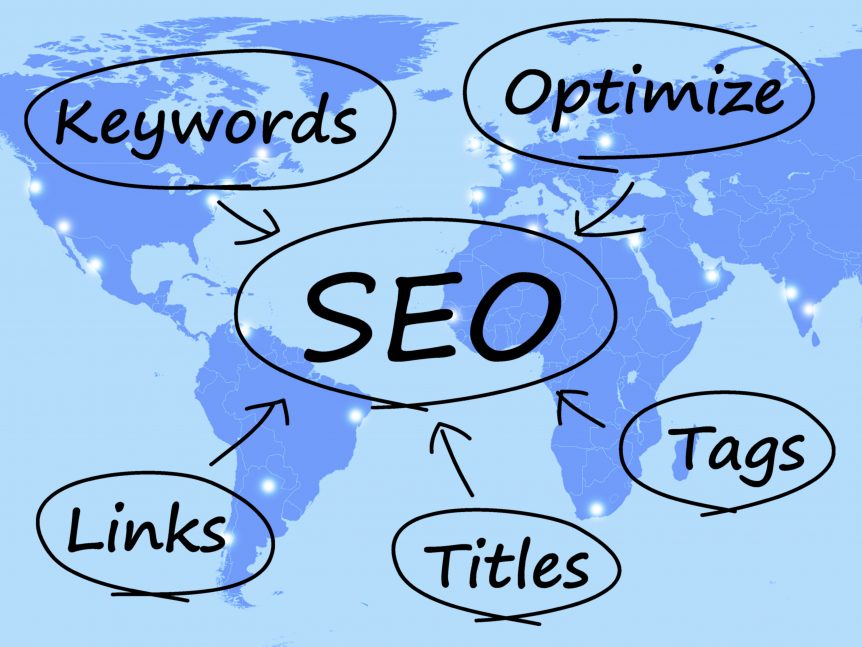
Search Engine Optimization (SEO) is the practice of enhancing a website's visibility in search engine results. By optimizing various elements such as content, keywords, and site architecture, businesses can improve their chances of ranking higher on search engines like Google.
Effective SEO involves understanding user intent and aligning content with the specific queries that potential customers use. This includes on-page optimization, off-page strategies like link building, and technical SEO aspects such as site speed and mobile-friendliness, all of which contribute to better search rankings.
SEO Strategies for Small Businesses
For small businesses, implementing effective SEO strategies can significantly impact their online presence. Focusing on local SEO tactics, such as optimizing Google My Business listings and using location-based keywords, can help attract local customers searching for services in their area.
Additionally, creating high-quality, relevant content that addresses the needs and questions of the target audience can improve engagement and drive organic traffic. Social media integration and online reviews also play a crucial role in enhancing visibility and credibility, making them key components of a small business's SEO strategy.
The Role of Content in SEO
Content is the cornerstone of any successful SEO strategy. High-quality, informative, and engaging content not only attracts visitors but also encourages them to stay longer on the site, reducing bounce rates and signaling to search engines that the site is valuable.
Regularly updating content, utilizing keywords naturally, and incorporating multimedia elements like images and videos can further enhance the user experience. Content marketing strategies, such as blogs and infographics, can also help establish authority in the niche, leading to increased backlinks and improved search rankings.
Measuring SEO Success: Key Metrics
To evaluate the effectiveness of SEO efforts, businesses must track key performance indicators (KPIs). Metrics such as organic traffic, keyword rankings, and conversion rates provide insights into how well the SEO strategy is performing and where adjustments may be needed.
Using tools like Google Analytics and Search Console allows businesses to monitor these metrics in real-time, enabling data-driven decisions. Additionally, tracking user behavior on the site, such as time spent on pages and click-through rates, can help refine SEO strategies for better results.
Understanding the Basics of SEO
Search Engine Optimization (SEO) is the practice of enhancing a website's visibility in search engine results. By optimizing various elements such as content, keywords, and site architecture, businesses can improve their chances of ranking higher on search engines like Google.
Effective SEO involves understanding user intent and aligning content with the specific queries that potential customers use. This includes on-page optimization, off-page strategies like link building, and technical SEO aspects such as site speed and mobile-friendliness, all of which contribute to better search rankings.
SEO Strategies for Small Businesses
For small businesses, implementing effective SEO strategies can significantly impact their online presence. Focusing on local SEO tactics, such as optimizing Google My Business listings and using location-based keywords, can help attract local customers searching for services in their area.
Additionally, creating high-quality, relevant content that addresses the needs and questions of the target audience can improve engagement and drive organic traffic. Social media integration and online reviews also play a crucial role in enhancing visibility and credibility, making them key components of a small business's SEO strategy.
The Role of Content in SEO
Content is the cornerstone of any successful SEO strategy. High-quality, informative, and engaging content not only attracts visitors but also encourages them to stay longer on the site, reducing bounce rates and signaling to search engines that the site is valuable.
Regularly updating content, utilizing keywords naturally, and incorporating multimedia elements like images and videos can further enhance the user experience. Content marketing strategies, such as blogs and infographics, can also help establish authority in the niche, leading to increased backlinks and improved search rankings.
Measuring SEO Success: Key Metrics
To evaluate the effectiveness of SEO efforts, businesses must track key performance indicators (KPIs). Metrics such as organic traffic, keyword rankings, and conversion rates provide insights into how well the SEO strategy is performing and where adjustments may be needed.
Using tools like Google Analytics and Search Console allows businesses to monitor these metrics in real-time, enabling data-driven decisions. Additionally, tracking user behavior on the site, such as time spent on pages and click-through rates, can help refine SEO strategies for better results.